Before our call.
5 minute read · everything is on this page
How you end up in a building. What counts as a site meeting. What it costs, and who it doesn't work for. It's all here, so the call can be about your buildings instead of my process.
The price is in section 05, after the part that explains why it costs that.
01 The outcome
More commercial buildings on a route you'd actually drive. Without putting the owner back in the truck to go find them.
Most shops your size get commercial work from someone they know. So it arrives when it arrives.
And the maintenance base is what makes the shoulder months survivable. October and March are quiet. Unless something already fills them.
The maintenance gets you in the door. The repairs pay the bills.
The usual fix is to hire someone to go knock on doors. That's a salary, a ramp, and a year before you know.
Here is the other way to do it.
02 How you end up in the building
You pick the buildings. That's the whole difference.
Everyone else sells you names out of a pool they already had, or picks the buildings for you and calls it exclusive.
- You tell me which buildings you want. Types, size, how far you'll drive.
- I build that list and find the person in charge of maintenance at each one. You see the list before anything sends, and strike anyone you don't want on it.
- I go at them in your name, with words you approved, and keep going until they answer.
- When one says yes, it's on your calendar. You show up and walk the building. They're expecting you, and they know what it's about.
About an hour a week from you, on the list and the words. The rest is mine.
That fourth step is the thing you're paying for, so it needs a definition.
03 What counts as a site meeting
If you pay per meeting, aren't we incentivised to book you anything? That's the real risk here. So the definition is agreed in writing before anything sends. And it isn't mine to bend afterwards.
- It held. You were on site, at the building.
- The building is occupied, commercial, and one you named.
- You met the person in charge of maintenance. Or their engineer, with that person's agreement to receive a proposal.
- They knew it was about a maintenance agreement before they took it.
- It fits your spec. A building you'd never want isn't billable.
Miss any one and you don't pay for it. No-shows are free. Wrong buildings are free.
Fair question at this point: has any of this actually worked?
04 Proof
No public case study from a mechanical contractor yet. I'd rather say that than dress somebody else's result up as yours.
Here's what you can check without taking my word for it.
And one on camera, named. Anisa runs growth at BlueSteps. She goes through the numbers herself.
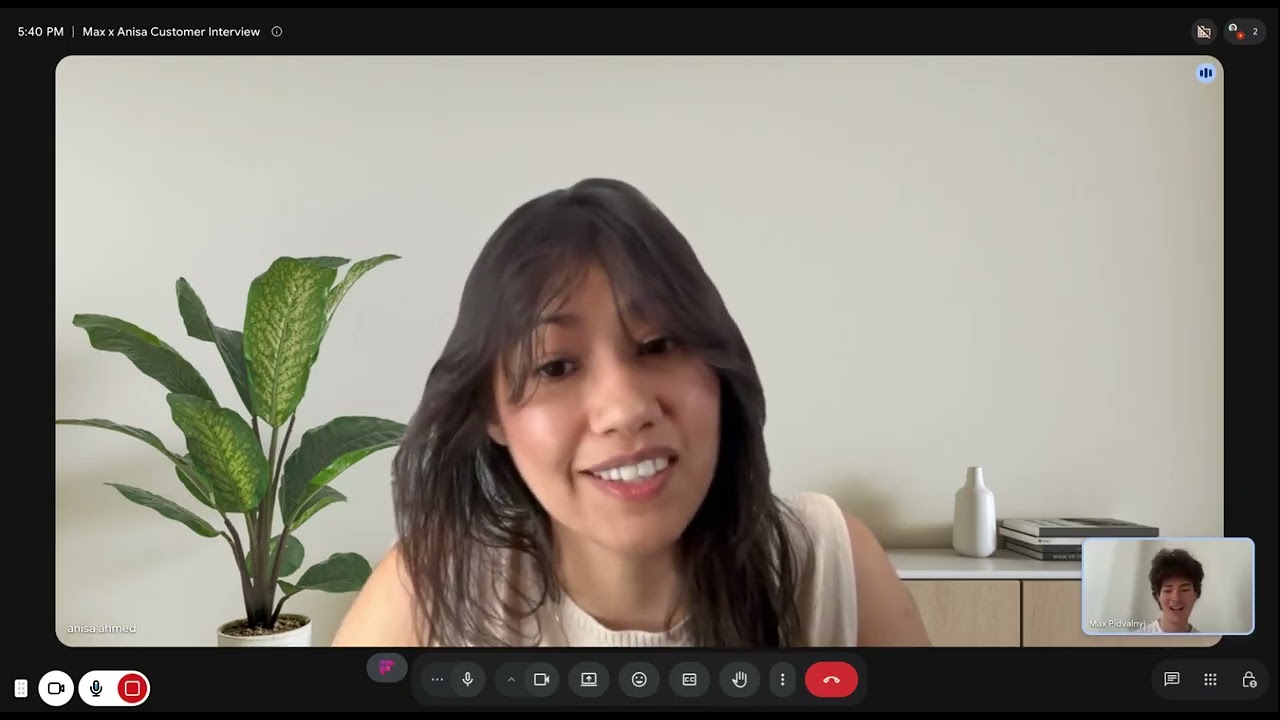
About 15 clients this past year. None of them mechanical contractors:
Which is why you sign off on the building list, and pay per meeting held, instead of on a promise.
So, what that costs.
05 What it costs
The $3,000 is the build. Domains, inboxes, warmup, the building list, verification.
It also holds your metro. Once you're in, I won't run this for another mechanical shop in your area. That only works if the slot is paid for, otherwise I'd be turning away work on a maybe.
After that you only pay when you're standing in a building. One signed maintenance agreement should cover several of those meetings. If it doesn't, on your numbers, I'll say so on the call.
- No lock-in. Stop when your calendar is full.
- One mechanical shop per metro, held by the up-front payment. Your meetings are sold to nobody else.
- I won't promise a number before I've seen your radius and your spec. I'll build the building list and show it to you first. You count it yourself.
- Your spec locked in writing. The building list and the first copy in front of you.
- The sending gets set up and the list gets checked. First emails go out. What you watch here is reply rate, not meetings.
- Site meetings land as replies come in.
No promised date for your first site meeting. Anyone promising you week one is either guessing, or about to spam your market under your name.
There's a second reason, and it's about them rather than us. Facility managers mostly re-bid on a cycle, often just before budget planning, and plenty won't take an unsolicited bid outside that window. So some of this is catching the ones whose window is open now, and being the name the rest already have when theirs opens.
06 What you're probably thinking
- Then this is the wrong thing to buy right now, and I'd rather hear it on the call than after. The one exception is when the work you have is the wrong work. Being flat out in July and empty in October is a different problem from being busy.
- Plenty do. Those are the buildings you strike off the list before anything sends. The ones worth walking are where the current vendor is slow to show up, not where they're expensive.
- Fair. The usual version of this is someone outside the trade who built something and is now selling it. My answer is the definition in section 03: agreed in writing before anything sends, and you don't pay when it misses. Somebody on a forum said get it in writing next time. That's the whole idea.
07 Who this is not for
One thing to hear before you decide, because it isn't in my favour.
Facility managers say it plainly: the vendor who takes the small jobs gets preferential consideration when the big work goes out to tender.
So if you won't take the small work, this books you meetings you don't convert.
- You already service commercial buildings and want more of them.
- You have the techs to cover more maintenance work.
- You can tell me what a maintenance agreement is worth to you over a year.
- You can give this about an hour a week.
- You're residential only, and want to stay that way.
- You're new-construction only. Different buyer, different timeline.
- You're competing on price. I get you in the building. I can't win a bid war.
- You need a result by a hard date. I told you why I won't promise one.
If that second list is you, skip the call and save us both twenty minutes. No hard feelings.
08 On the call
20 minutes, four parts.
- A few questions from me. Your best buildings. What a maintenance agreement is worth to you over a year. Who runs the site meetings. And how far you'll drive.
- What we'd do for you specifically. Your radius, your building types.
- Your numbers. What a site meeting is worth to you, and what it should cost.
- Anything you want to ask me.
Then we'll both know if it's a fit. A fair number of these end in not a fit. That's fine by me.
See you on the call.